

The Puzzle of Adaptation
When the HMS Beagle reached the Galápagos Islands in 1835, its crew stepped onto a harsh volcanic landscape.
Black lava stretched in every direction. The sun was relentless, and fresh water was scarce.
At first glance, it seemed like a place where life struggled to exist.
And yet, life was not only present—it was quietly solving problems.
Across these isolated islands, species were adjusting and responding to one of the most demanding environments on Earth. What appeared harsh and inhospitable was, in fact, one of the most dynamic natural systems ever observed.
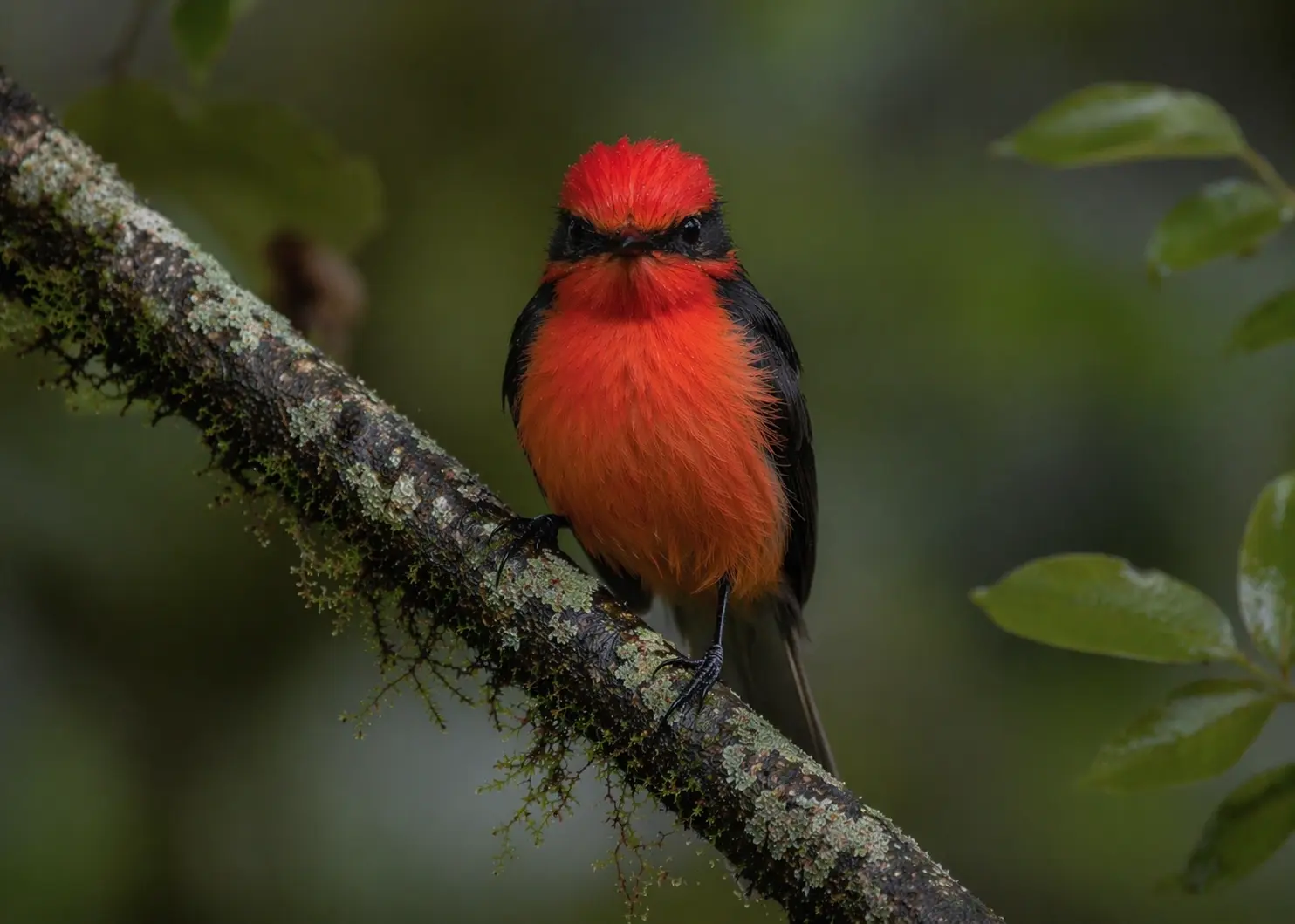
Scattered nearly a thousand kilometers from mainland South America, the Galápagos sit at the convergence of major ocean currents. Over time, this isolation turned the archipelago into what scientists now describe as a living laboratory—one of the few places on Earth where natural adaptation can be observed with remarkable clarity.
Why Scientists Call the Galápagos a Living Laboratory
For anyone observing the islands closely, a striking pattern emerges: nearly every species appears finely tuned to its environment.
Researchers have long documented how animals sharing a common origin display subtle but precise differences depending on the habitats they occupy.
The Galápagos finches, for example, have beaks suited to specific diets. Some crack hard seeds, while others are shaped to extract insects hidden within bark.
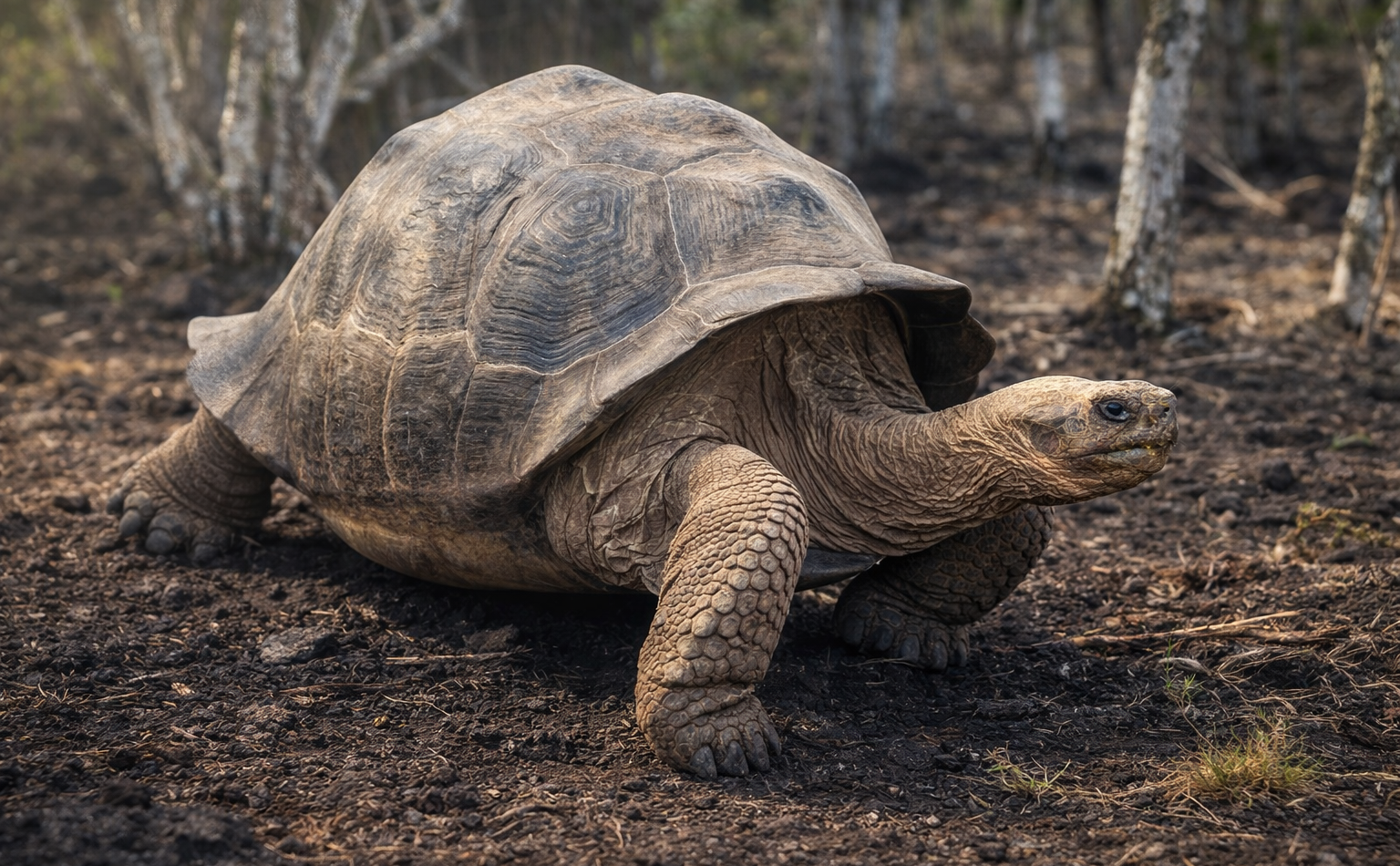
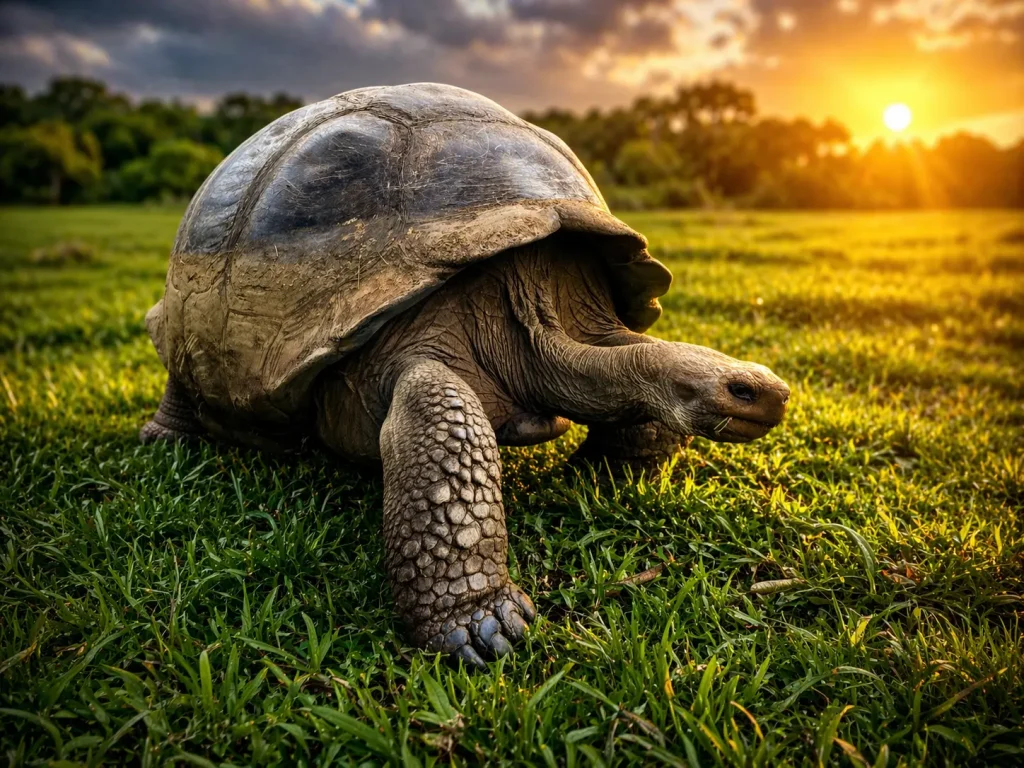
The giant tortoises offer another powerful example. Those living in humid highlands tend to have domed shells that allow them to move through dense vegetation. In contrast, tortoises from drier areas developed saddle-shaped shells that enable them to stretch their necks upward to reach tall cactus pads.
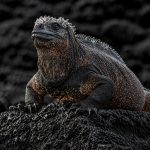
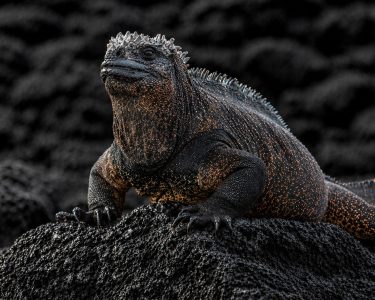
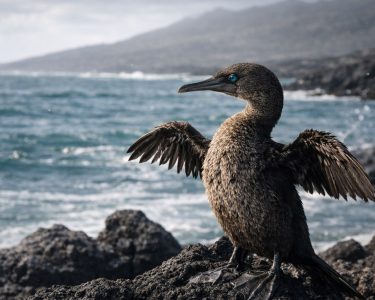
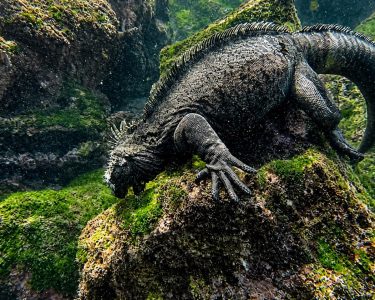
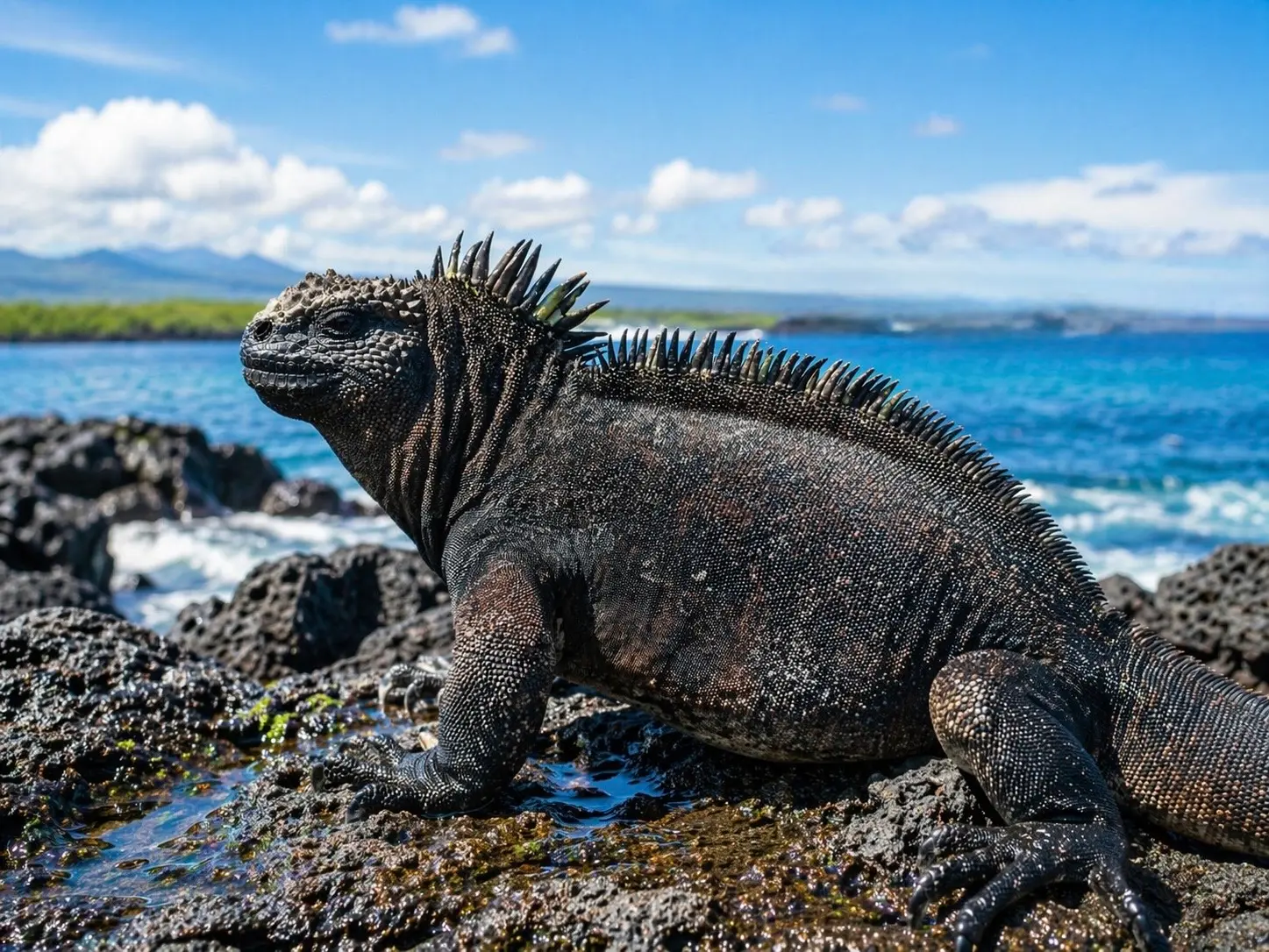
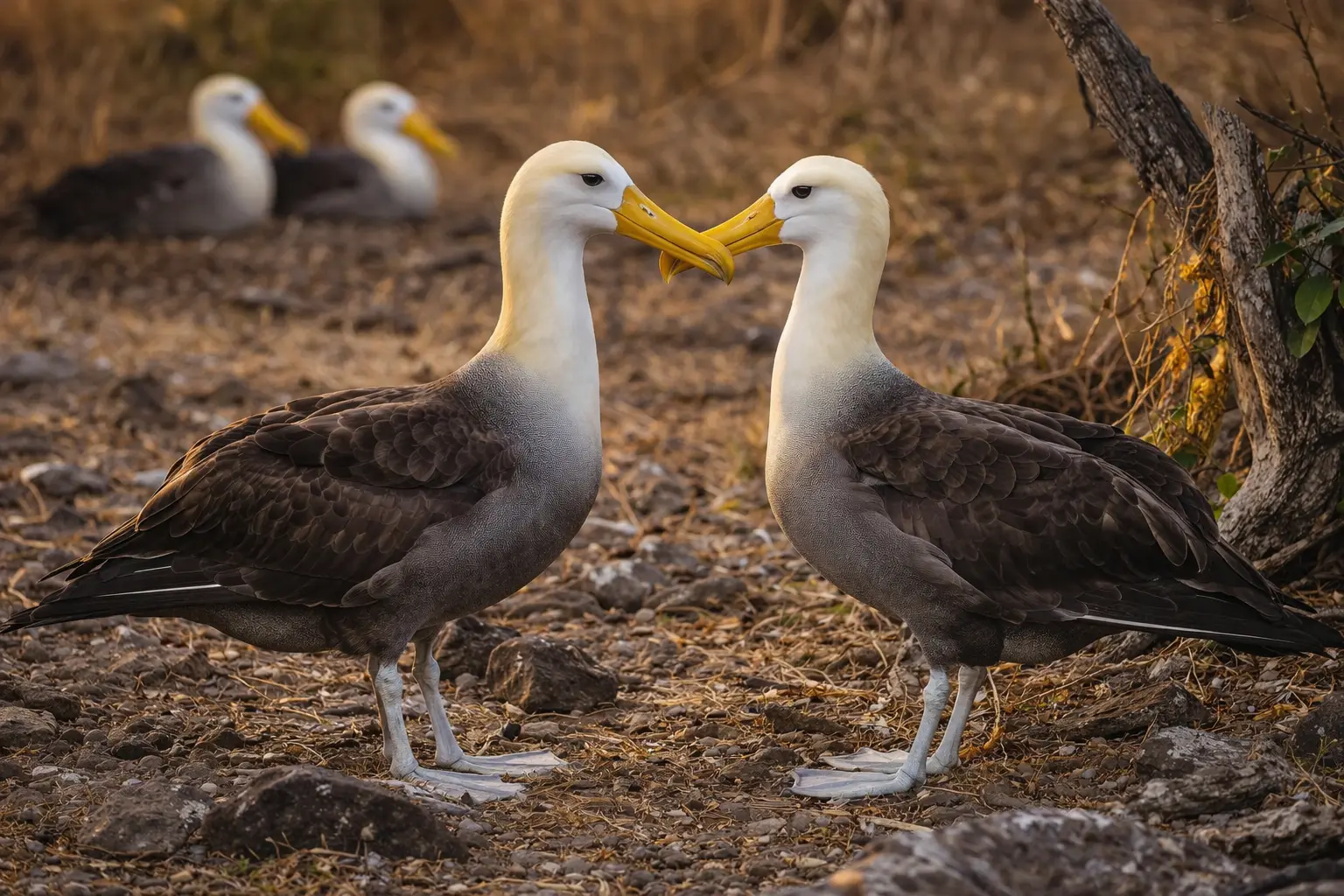
Across the archipelago, these patterns reveal how biodiversity responds to local conditions. In the Galápagos, natural adaptation can be observed almost everywhere—from marine iguanas feeding on underwater algae to seabirds nesting along young volcanic cliffs.
A 21st-Century Early Warning System
Today, the importance of the Galápagos extends far beyond the observations made nearly two centuries ago.
Because of their geography and ecological sensitivity, the islands function as a global early-warning system for environmental change.
Events such as El Niño, which warms the waters of the eastern Pacific, can rapidly alter the balance of marine ecosystems. Fish populations shift, seabird breeding success fluctuates, and species that depend on cold, nutrient-rich waters must adjust quickly.
By monitoring these responses, scientists gain valuable insight into how ecosystems around the world may respond to rising ocean temperatures and broader environmental changes.
In this sense, the Galápagos act as a sentinel—offering an early glimpse into the future of global biodiversity.
A Mission to Document the Future
The complexity of the Galápagos ecosystem demands more than scientific observation. It requires storytelling that connects people with the processes unfolding across these islands.
Understanding the Galápagos is not simply about cataloging species. It is about recognizing the network of relationships that sustains life in one of the most isolated environments on Earth.
Protecting this living laboratory is therefore a responsibility that extends beyond national borders. It is a commitment to science, education, and the future of global biodiversity.
This is where Galápagos Herald enters the story.
Our mission is to bridge the gap between scientific knowledge and public understanding—documenting not only the discoveries that made these islands globally recognized, but also the challenges that will shape their future.
Xavier Castro, Founder Galapagos Herald
Because ultimately, understanding the Galápagos is not only about studying nature.
It is about recognizing our shared responsibility to protect the remarkable living world we all depend on.
Frequently Asked Questions
Why are the Galápagos considered a living laboratory?
Because the islands combine geographic isolation with the influence of major ocean currents, creating a wide range of environmental conditions within a relatively small area. This allows scientists to observe, with unusual clarity, how species respond to different habitats and pressures, making the Galápagos one of the most important natural systems for studying biodiversity in action.
Why are Galápagos animals so unique?
Because the archipelago has remained isolated from continental ecosystems for long periods of time. This separation has allowed species to develop distinct natural adaptations to local conditions, resulting in forms of life that are found nowhere else and are closely aligned with the environments they inhabit.
Why are the Galápagos important for science?
The Galápagos provide valuable insight into how ecosystems respond to environmental changes such as ocean temperature shifts, climate variability, and resource availability. Because these islands are highly sensitive to change, they serve as a natural reference point for understanding broader patterns affecting biodiversity around the world.