

Record-breaking visitor pressure in 2025 has sharpened a larger debate over carrying capacity, stricter biosecurity, and whether higher entry fees can help protect a living sanctuary under strain
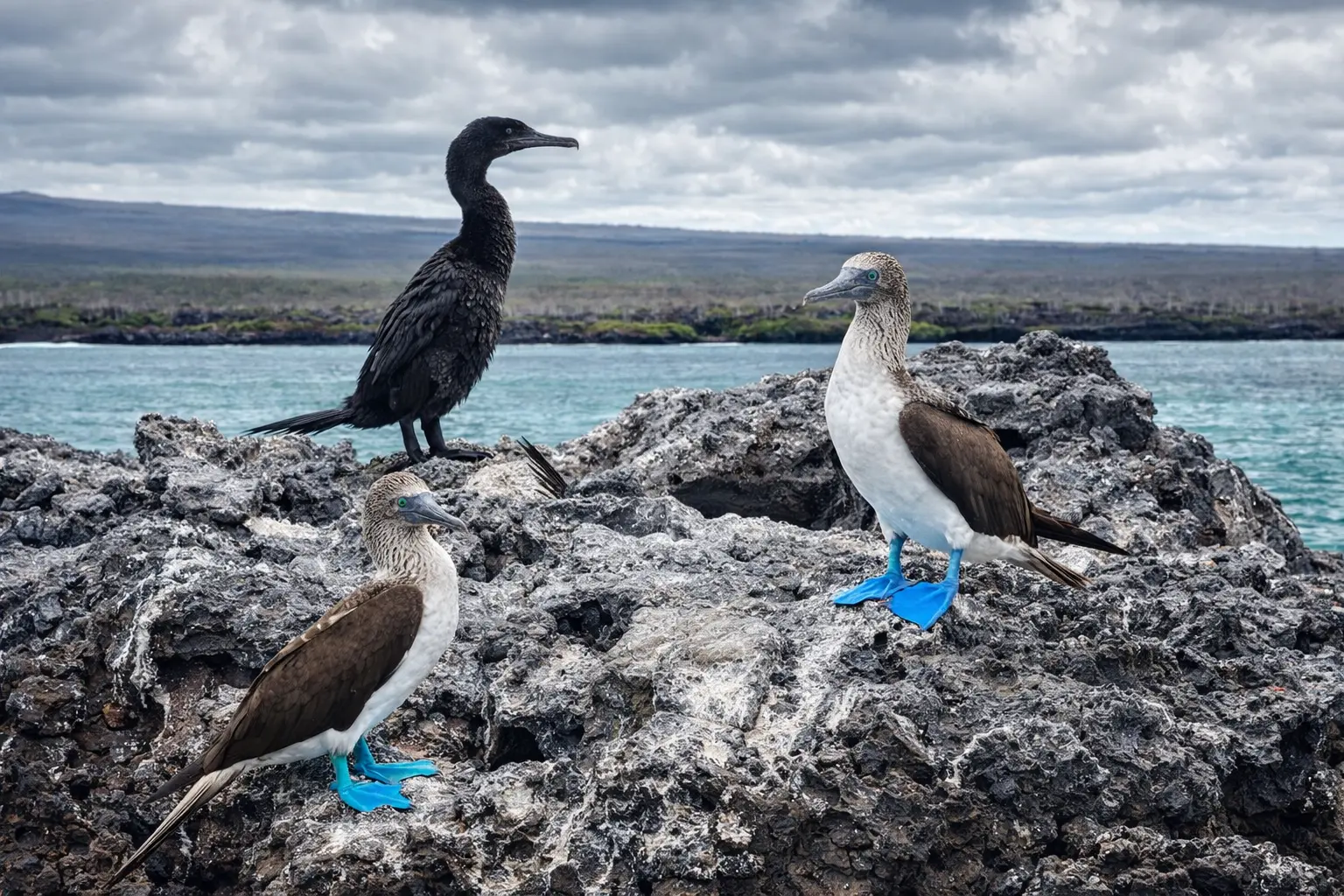
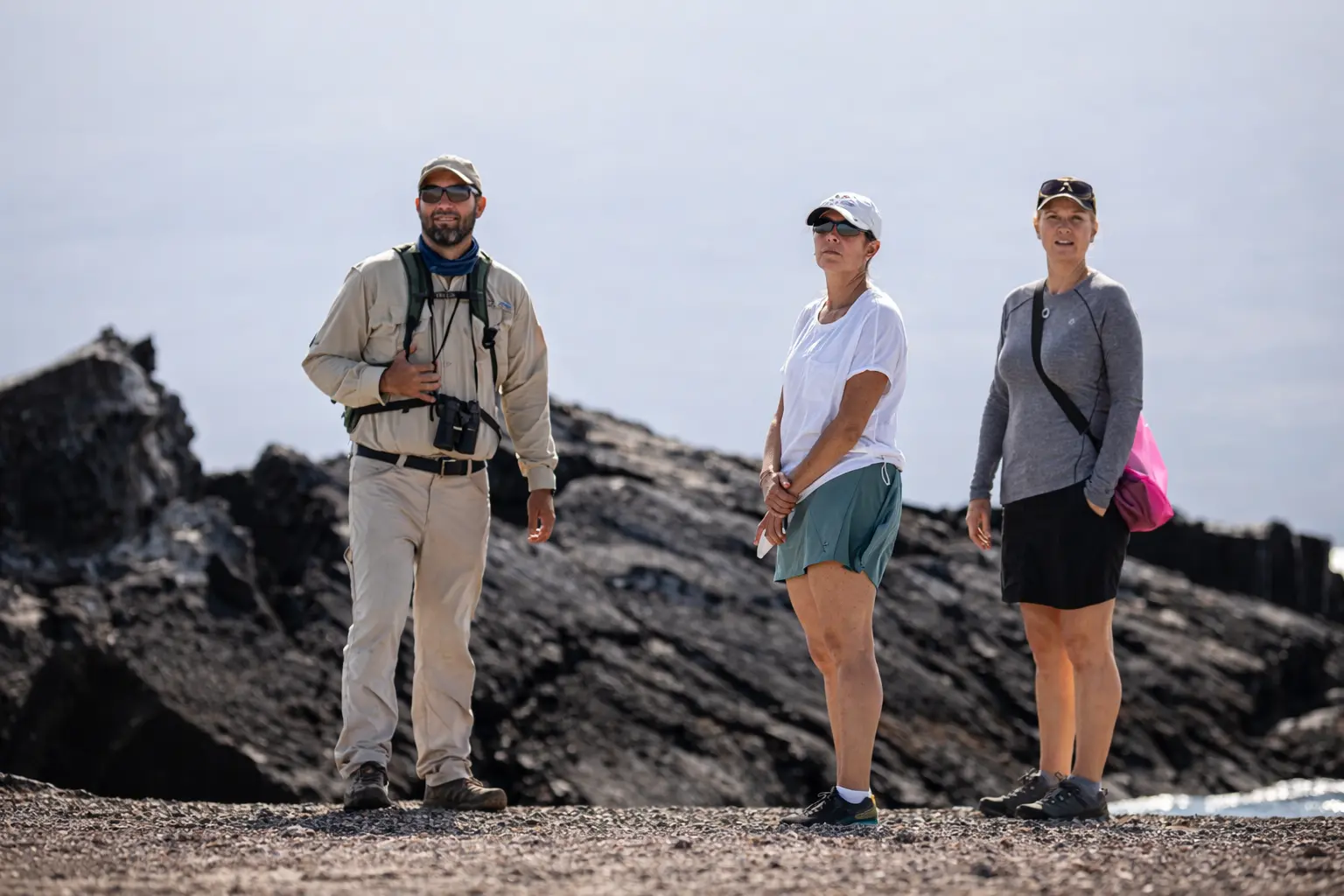
Just after dawn, the first visitors step onto a marked trail of lava and dust.
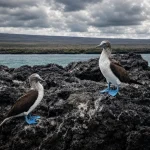
A naturalist guide pauses at the front of the group and repeats the rules: stay on the path, keep your distance from wildlife, leave nothing behind. Cameras rise. Sea lions sleep nearby. Frigatebirds drift overhead. For a moment, the scene feels light, orderly, almost effortless.
But in Galápagos, tourism is never only the moment of arrival.
It also means flights from mainland Ecuador, cargo entering the islands, freshwater used in homes and hotels, waste that must be removed or processed, trails absorbing constant foot traffic, and a web of inspections meant to protect one of the world’s most tightly managed island systems. UNESCO describes the archipelago as a World Heritage site made up of 127 islands, islets, and rocks, located about 1,000 kilometers from continental Ecuador. Only four islands are inhabited, and 97 percent of the emerged land area is protected, with human settlement restricted to the remaining 3 percent.
That is the conflict at the center of modern Galápagos.
The islands need tourism. But they cannot absorb pressure the way larger destinations do.
A sanctuary under pressure
The archipelago acts as a global magnet for those seeking a direct encounter with pristine ecological systems.
That appeal is not difficult to understand. Few places offer such immediate contact with wildlife, such sharp volcanic landscapes, or such a strong sense of biological singularity. But what visitors experience as beauty is also a conservation burden.
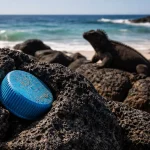
The more people arrive, the more the islands must defend themselves against wear, waste, and unwanted biological introductions.
Official data show how large that pressure has become. In the first half of 2025, Galápagos received 145,655 visitors, a 2 percent increase over the same period in 2024 and 3 percent above the same period in 2019. Of those arrivals, 65 percent were international visitors and 35 percent were Ecuadorians.
The previous full-year official total, for 2024, was 279,277 visitors. Of those, 55 percent were international and 45 percent domestic, according to Ecuador’s environment ministry.
Taken together, those numbers show why the debate has changed. Galápagos is no longer managing a modest flow of ecotourists. It is managing mass interest in a place defined by ecological limits.
A small inhabited territory, a large moving population
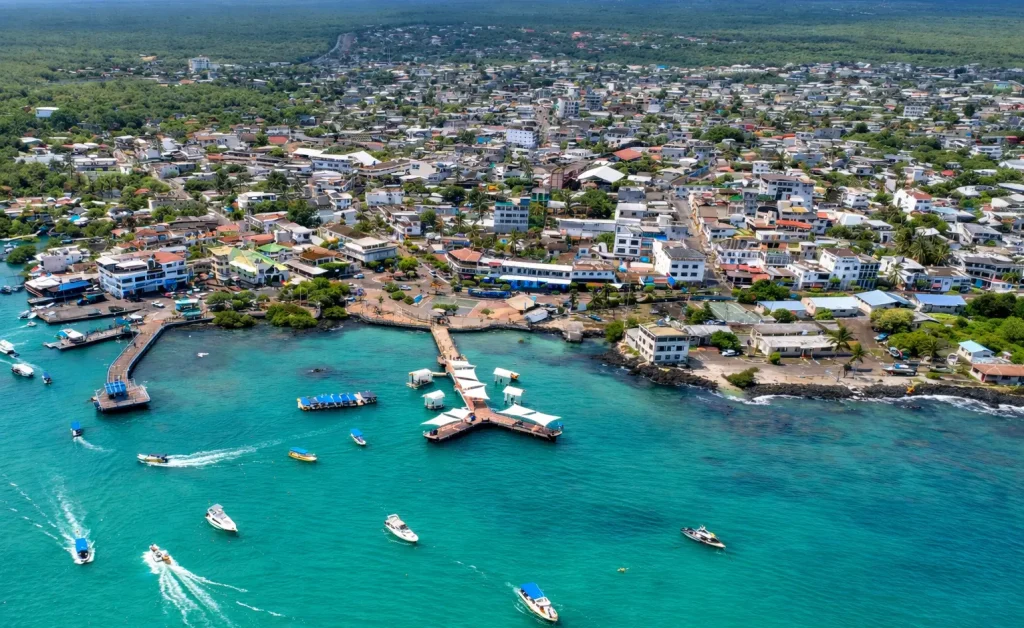
and conservation pressures converge along the waterfront of Santa Cruz Island. ©Galápagos Herald
The basic geography explains the tension.
UNESCO’s World Heritage profile states that only 3 percent of Galápagos’ emerged land surface is available for human settlement. The rest is protected.
That means nearly every conversation about tourism in Galápagos is also a conversation about limits: how much water can be supplied, how much waste can be processed, how much infrastructure can expand, how much transport can increase, and how much daily human movement sensitive ecosystems can tolerate before the strain becomes cumulative.
This is why tourism in Galápagos cannot be treated as neutral.
Every additional visitor enters not only a destination, but a tightly controlled ecological system already under pressure from invasive species, pollution, and the demands of permanent human settlement. UNESCO has repeatedly identified tourism, demographic growth, and introduced species among the principal pressures facing the archipelago.
The fee increase signals a policy shift
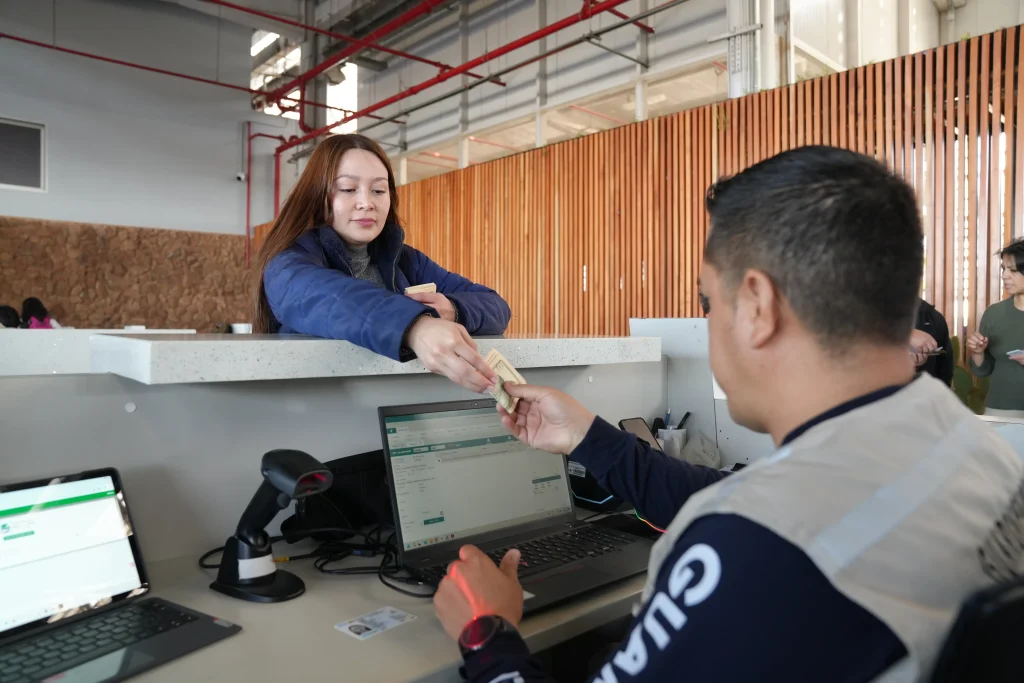
The new entry fee matters because it reflects a deeper policy question.
The official Galápagos government fee schedule now lists the conservation entrance fee for international visitors over age 12 at $200, with lower rates for children, CAN and Mercosur nationals, and Ecuadorian residents. Official government materials tied to the fee reform state that the increase took effect on August 1, 2024.
That change is more than a budget detail.
It signals a stronger push toward a model that seeks greater conservation funding while discouraging the idea that unlimited growth is the goal. Whether that model will truly work depends on more than price. It depends on how revenue is used, how effectively biosecurity is enforced, and whether authorities continue to prioritize ecological thresholds over automatic expansion.
Still, the message is clear: Galápagos is not trying to become easier to consume. It is trying to defend the conditions that make the islands worth seeing at all.
Protection depends on restraint
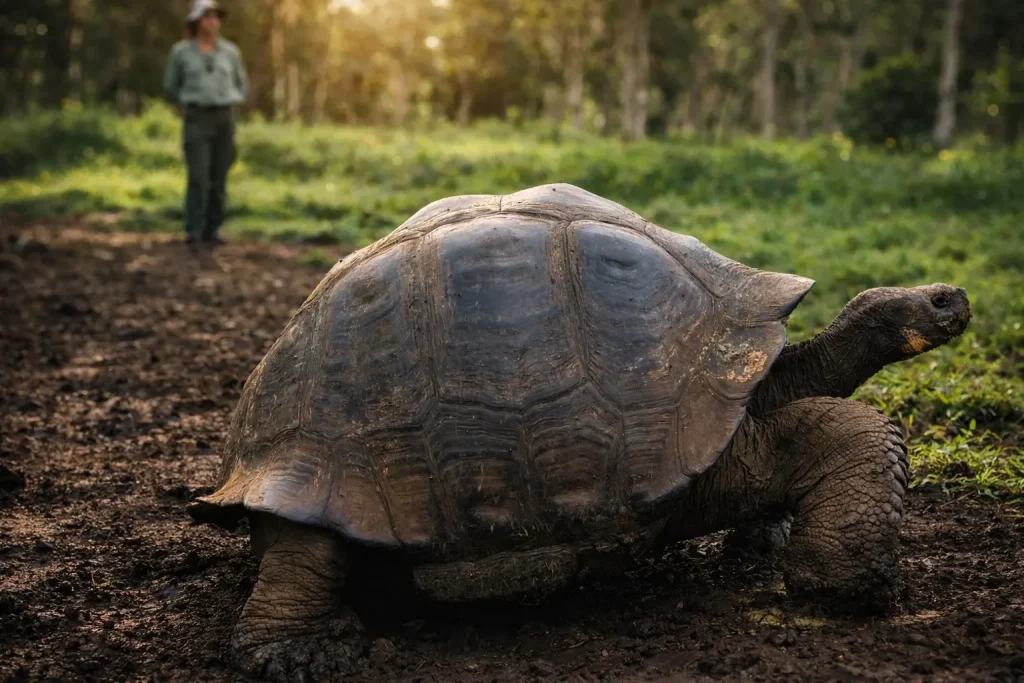
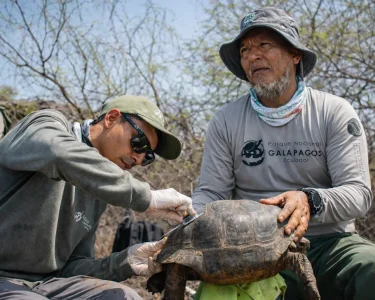
while a visitor remains at a distance, reflecting the principle that wildlife protection
depends on restraint and respectful observation. ©Xavier Castro
The rules visitors encounter are not symbolic.
According to official park guidance, visitors in protected areas must travel with authorized guides, remain on marked trails, keep at least two meters from wildlife, avoid feeding animals, and comply with quarantine controls designed to prevent the arrival of harmful organisms and materials.
These rules reflect the long ecological memory of island systems.
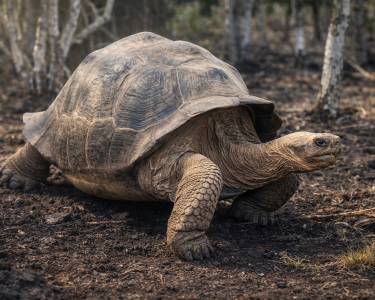
In Galápagos, a seed carried in unnoticed soil, an insect hidden in cargo, or a poorly managed increase in human pressure can ripple outward through habitats that have undergone a millennial ecological adjustment in relative isolation. The singularity of Galápagos species is not an abstraction. It is the result of time, separation, and ecological specificity. Once damaged, those conditions are not easily rebuilt.
That is why biosecurity is not a bureaucratic detail. It is one of the front lines of conservation.
The real question is not whether people should come
Galápagos does not need isolation from the world.
It needs discipline, limits, and a tourism model that understands the difference between access and extraction.
That is the distinction that matters most. The solution is not to stop visiting. It is to reject the idea that growth, by itself, is success. A fragile sanctuary cannot be managed like a conventional destination. The standard cannot be how many people arrive. It has to be whether the islands remain ecologically intact while those people arrive.
That is a harder measure. It is also the honest one.
Tourism will remain part of Galápagos. It supports guides, transport workers, hotels, restaurants, and many other livelihoods across the inhabited islands. It also helps keep the archipelago visible in the global imagination. But visibility comes with a price, and Galápagos pays that price every day through biosecurity controls, patrols, waste management, habitat protection, and constant vigilance.
The question ahead is not whether the world should continue to see Galápagos.