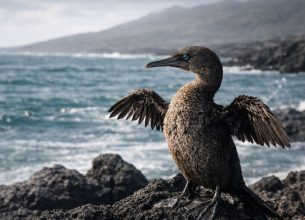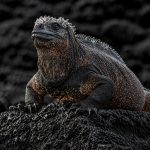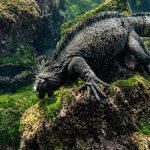


Photo: ©ABG
From a distance, the Galápagos Islands appear untouched. Volcanic landscapes stretch to the horizon, and wildlife moves without fear. But beneath that sense of isolation, a quieter force has been reshaping these ecosystems for centuries—species that arrived with humans and never left.
When Arrival Becomes Invasion
The story of invasive species in Galápagos begins long before modern conservation.
From the 17th century onward, pirates and whalers released animals such as goats and pigs onto the islands as a form of “live storage,” ensuring food for future voyages. Later, settlers introduced cattle, crops, fruit trees, and domestic animals as they established permanent communities.
At first, these introductions may have seemed practical—even necessary.
But in ecosystems shaped by isolation, even small changes can have lasting consequences.
A species is considered introduced when it arrives through human activity. It becomes invasive when it establishes itself, spreads, and begins to cause harm. In Galápagos, that shift often occurs when domestic animals escape and become feral, adapting to life in the wild and forming independent populations.
Without natural predators or competitors, their impact can be immediate and profound.
The Landscape Transformed
Few examples illustrate this more clearly than the history of goats.
On islands such as Pinta and Santiago, feral goats multiplied rapidly, stripping vegetation, exposing soil, and transforming entire landscapes. By 1974, Santiago alone supported an estimated 100,000 goats and 20,000 feral pigs, overwhelming the island’s ecological balance.
The consequences extended far beyond plants.
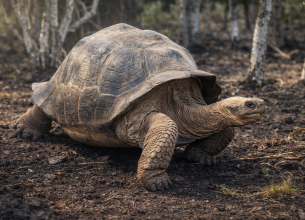
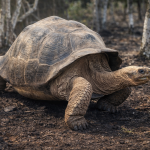
As vegetation disappeared, so did food sources and shelter for native species. Giant tortoises, which depend on stable vegetation and shade, were pushed into increasingly difficult conditions. On Pinta, habitat degradation became one of the factors that contributed to the collapse of the local tortoise population.
What began as a handful of animals became a landscape-scale disruption.
Restoring a Broken System
By the late 20th century, the damage was impossible to ignore.
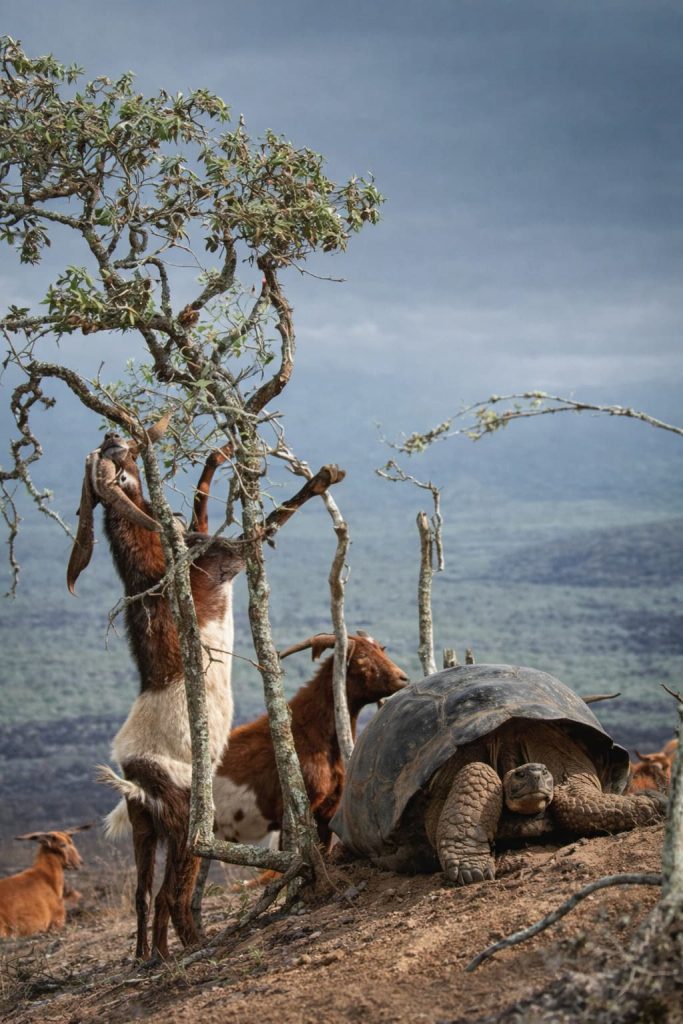
introduced herbivores once degraded native habitat on islands such as Pinta and Santiago
before large-scale eradication efforts removed them. Photo: ©DPNG
That is what led to Project Isabela, one of the largest ecological restoration efforts ever carried out on islands. Between 1997 and 2006, conservation teams removed more than 140,000 goats from Pinta, Santiago, and northern Isabela using a combination of aerial operations, ground teams, and the innovative “Judas goat” technique.
The scale was unprecedented.
So was the outcome.
With the pressure removed, vegetation began to recover. Native plants returned. Soil stabilized. Over time, ecosystems that had been pushed to the brink started to function again.
It was a reminder that even severely altered systems can recover—if the driving pressure is removed.
New Threats, New Frontlines
Today, the threat has not disappeared. It has changed.
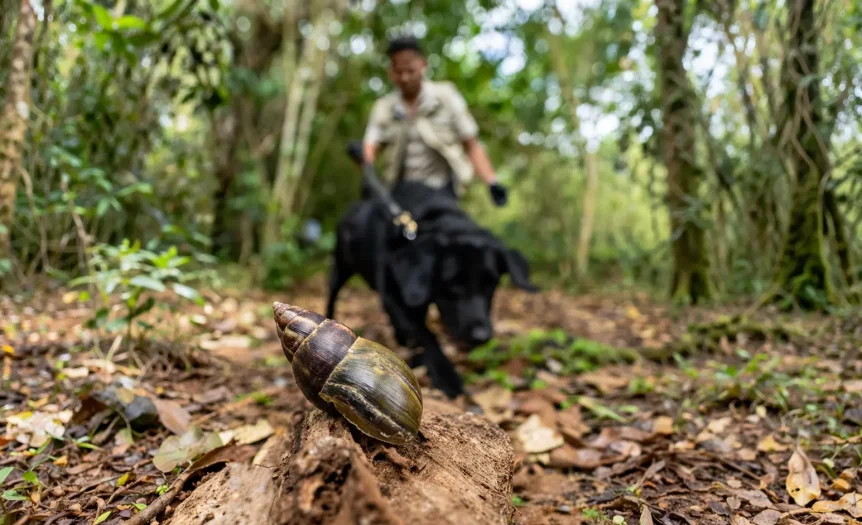
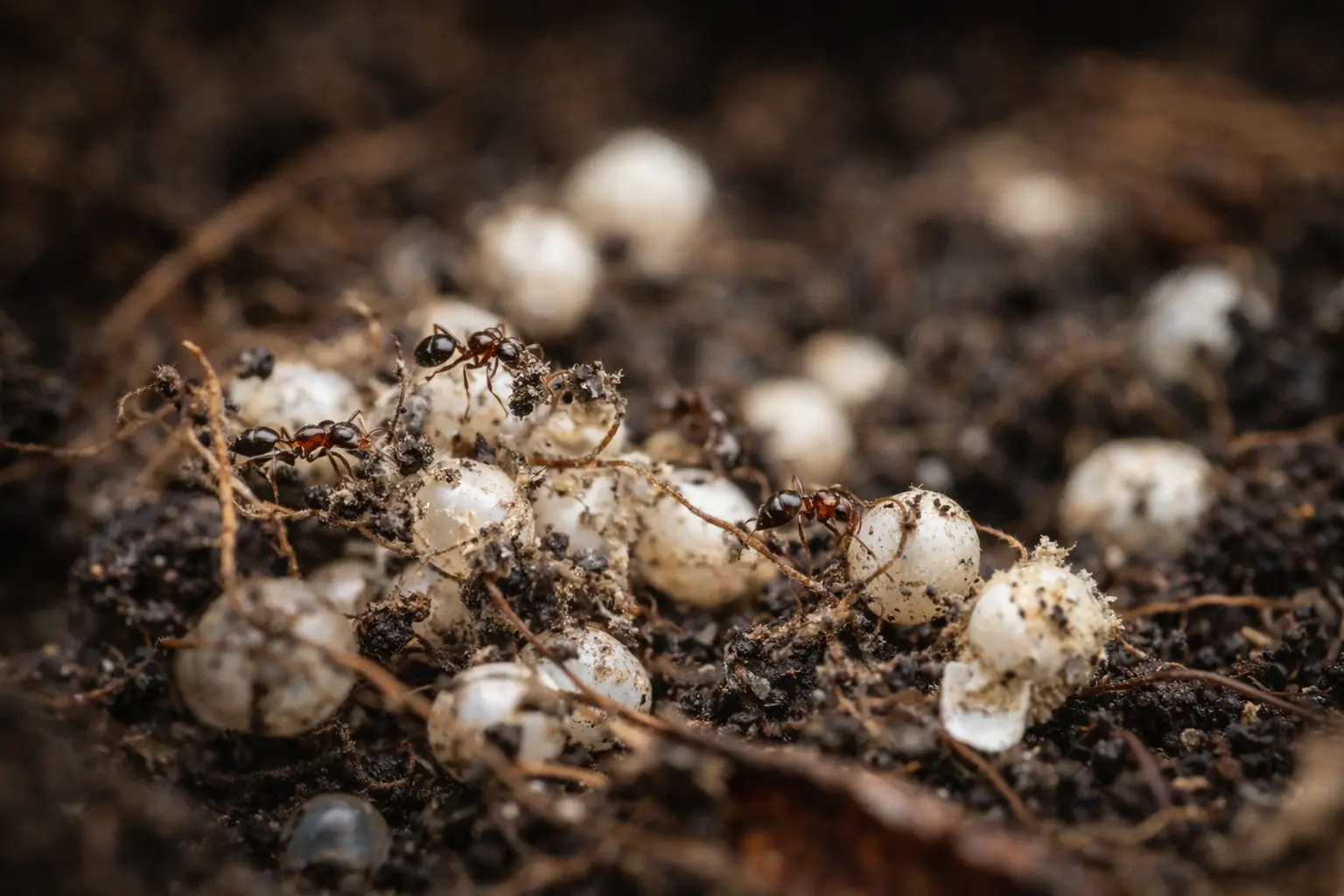
One of the most pressing current concerns is the Giant African Snail (Lissachatina fulica), first detected in Galápagos in 2010 and now established in parts of Santa Cruz. It competes with endemic land snails, particularly species in the genus Bulimulus, and feeds on a wide range of crops and vegetation.
Its impact is not limited to ecology.
For local communities, the snail threatens food production and small-scale agriculture. It is also associated with parasites that can cause meningitis in humans, making it not only an environmental issue, but a public-health concern.
Controlling it is difficult. A single individual can produce hundreds of eggs, allowing populations to grow quickly. Thousands have been removed, yet the effort continues.
This is the new reality of invasive-species management: ongoing, precise, and never fully complete.
Predators That Do Not Belong Here
Other invaders hunt rather than graze.
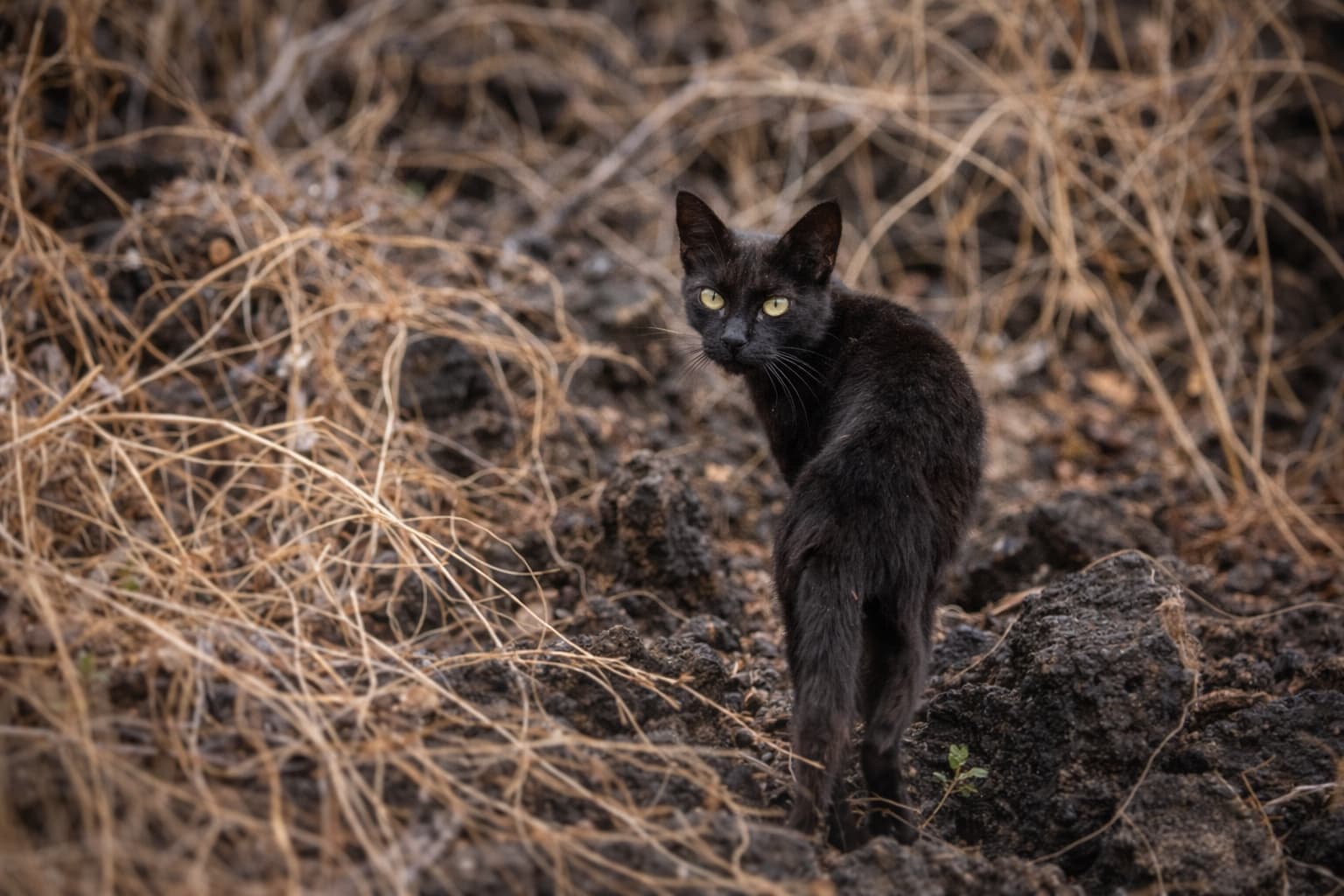
Feral cats and free-roaming dogs remain among the most dangerous predators in the archipelago. Cats prey on birds and small reptiles, often targeting nesting areas. Dogs attack native wildlife directly, including iguanas and juvenile tortoises.
But their impact goes beyond predation.
Dogs can act as carriers of disease, including canine distemper virus, which has been identified as a threat to Galápagos sea lions. In this way, invasive predators do not only alter ecosystems through hunting—they can also connect human settlements with wildlife through disease transmission.
A Silent Pressure: Rats
Among the most persistent invaders are rodents.
Black rats arrived centuries ago, hidden in ships, and spread across multiple islands. Their effects are often invisible but profound. They consume eggs, hatchlings, seeds, and invertebrates, disrupting entire food webs.
Historically, their presence contributed to the disappearance of endemic rice rats—native mammals that once played important ecological roles.
Today, they remain a critical threat to one of the archipelago’s rarest birds: the Mangrove Finch.
With a population reduced to only a few dozen individuals, this species survives in a narrow strip of mangrove habitat. Rats climb into nests to consume eggs and chicks, making continuous control essential for its survival.
In Galápagos, preventing extinction often depends on managing species that arrived centuries ago.
Holding the Line
To confront these threats, Galápagos has built one of the most advanced biosecurity systems in the world.
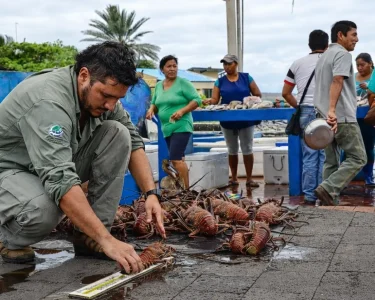
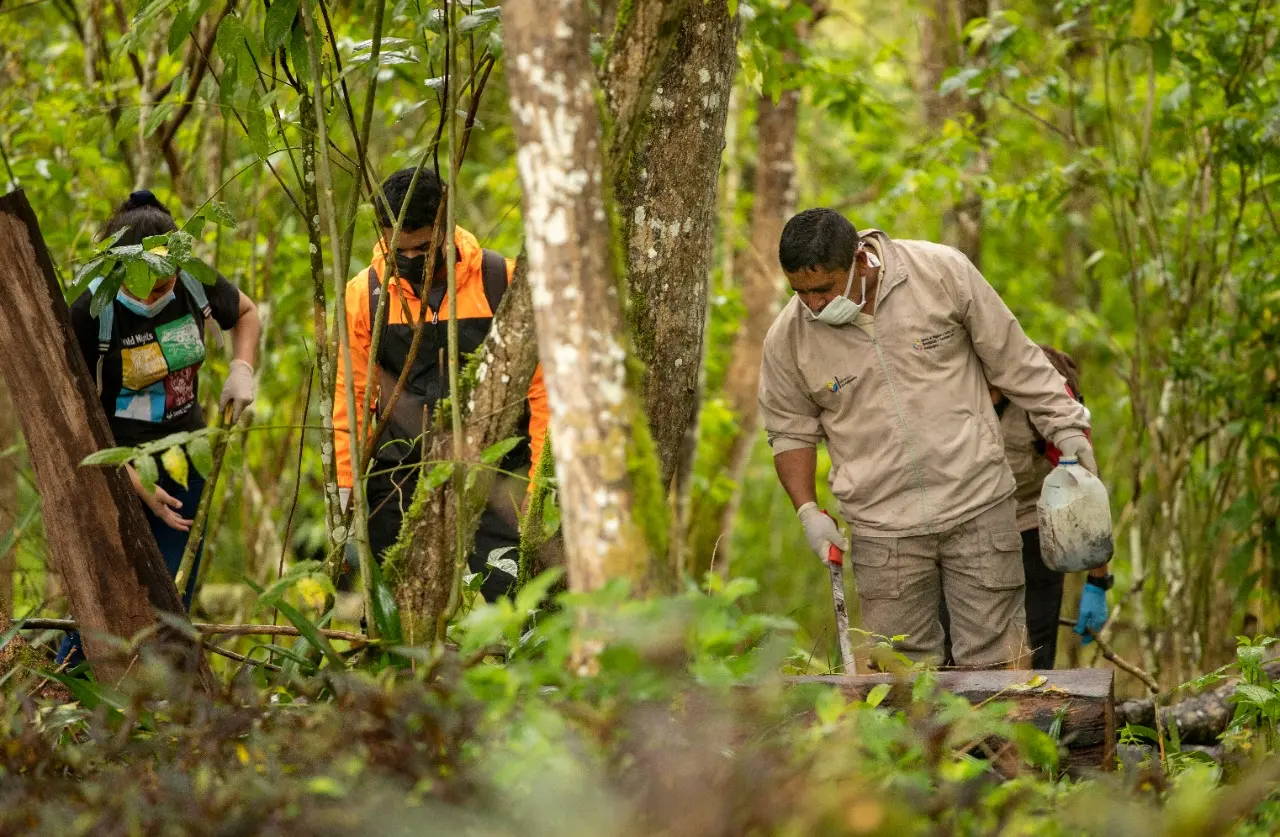
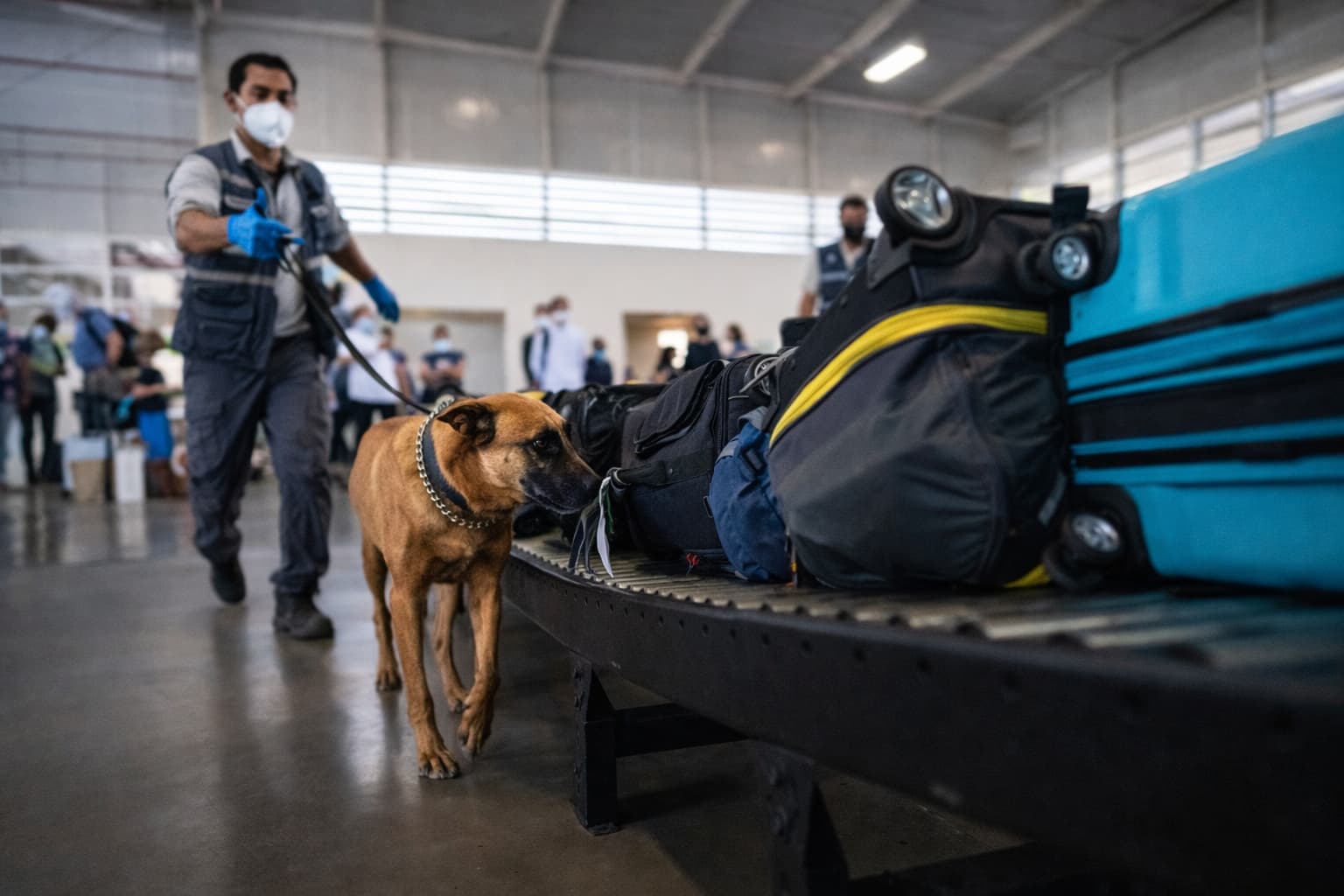
The Biosecurity Agency for Galápagos (ABG) works to prevent new introductions through inspections, quarantine controls, and increasingly sophisticated tools. Detection dogs screen luggage and cargo. Digital systems, supported by artificial intelligence, help identify risks before they reach the islands, including tools capable of processing information in more than 150 languages.
These systems may seem technical, but their purpose is straightforward:
Stop the next invasion before it begins.
Because once an invasive species becomes established, removing it is far more difficult—and sometimes impossible.
A Fragile Balance
Galápagos is often described as one of the most pristine ecosystems on Earth.
In many ways, it still is.
But its history tells a more complex story—one of disruption, recovery, and constant vigilance. The balance that defines these islands is not static. It is maintained through continuous effort, often in places few visitors will ever see.
In Galápagos, conservation is not only about protecting what belongs.
It is also about recognizing, in time, what does not.