

Quick Facts: Life in the Galápagos
- 97% of the archipelago’s land area is protected within the Galápagos National Park.
- Only about 3% is used for towns, farms, roads, and other human activities.
- More than 33,000 people live across the four inhabited islands: Santa Cruz, San Cristóbal, Isabela, and Floreana.
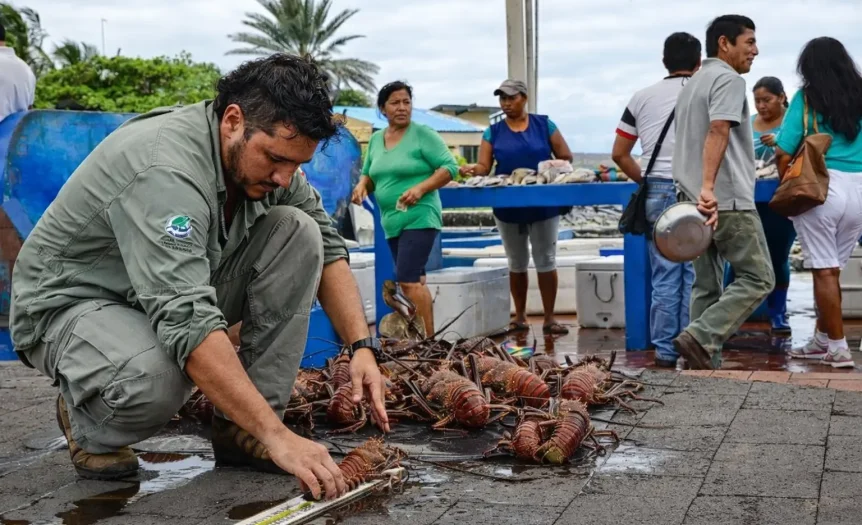
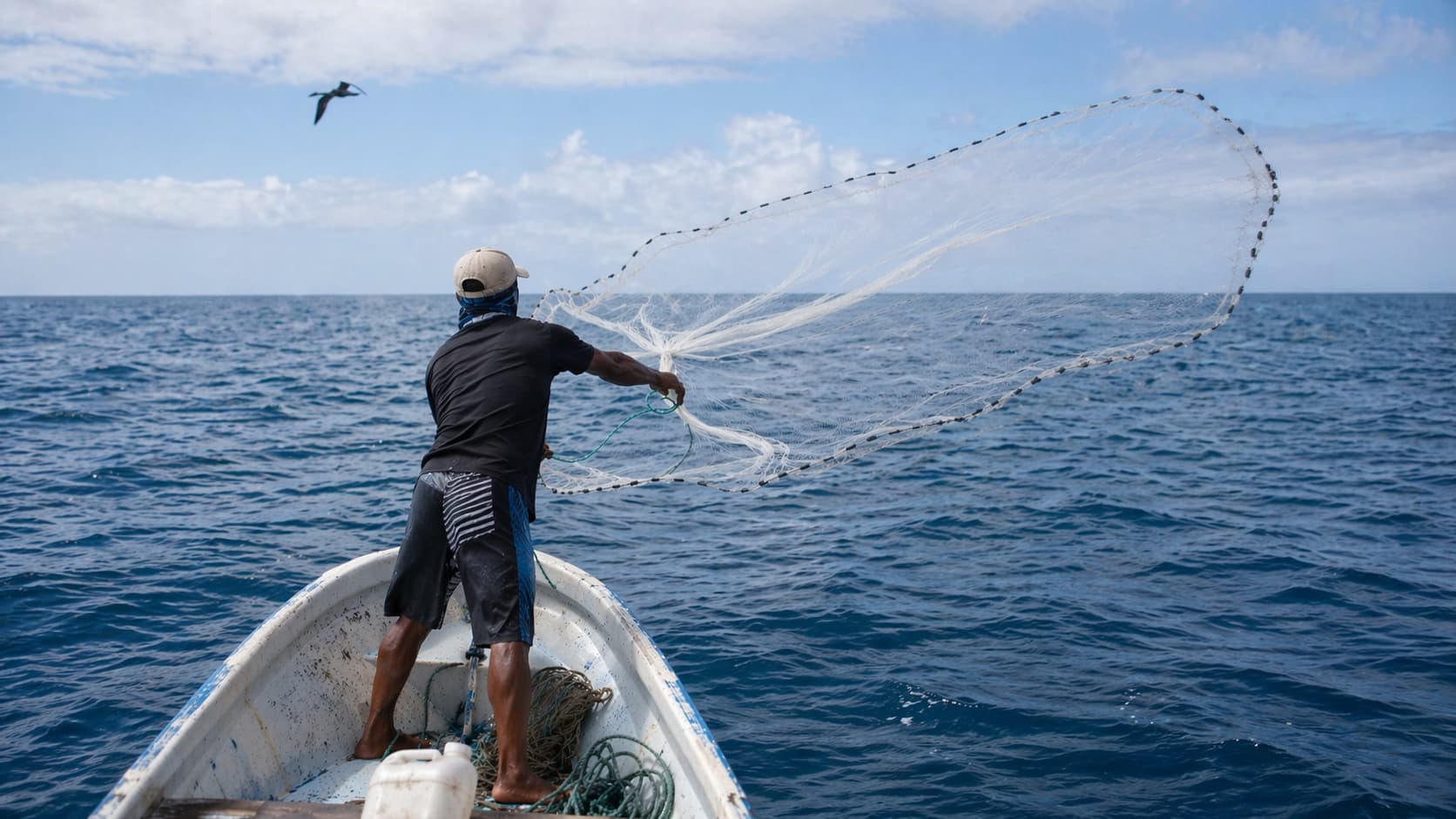
- More than 1,000 artisanal fishers operate small boats known locally as pangas.
- More than 300 park rangers help protect wildlife and ecosystems across the archipelago.
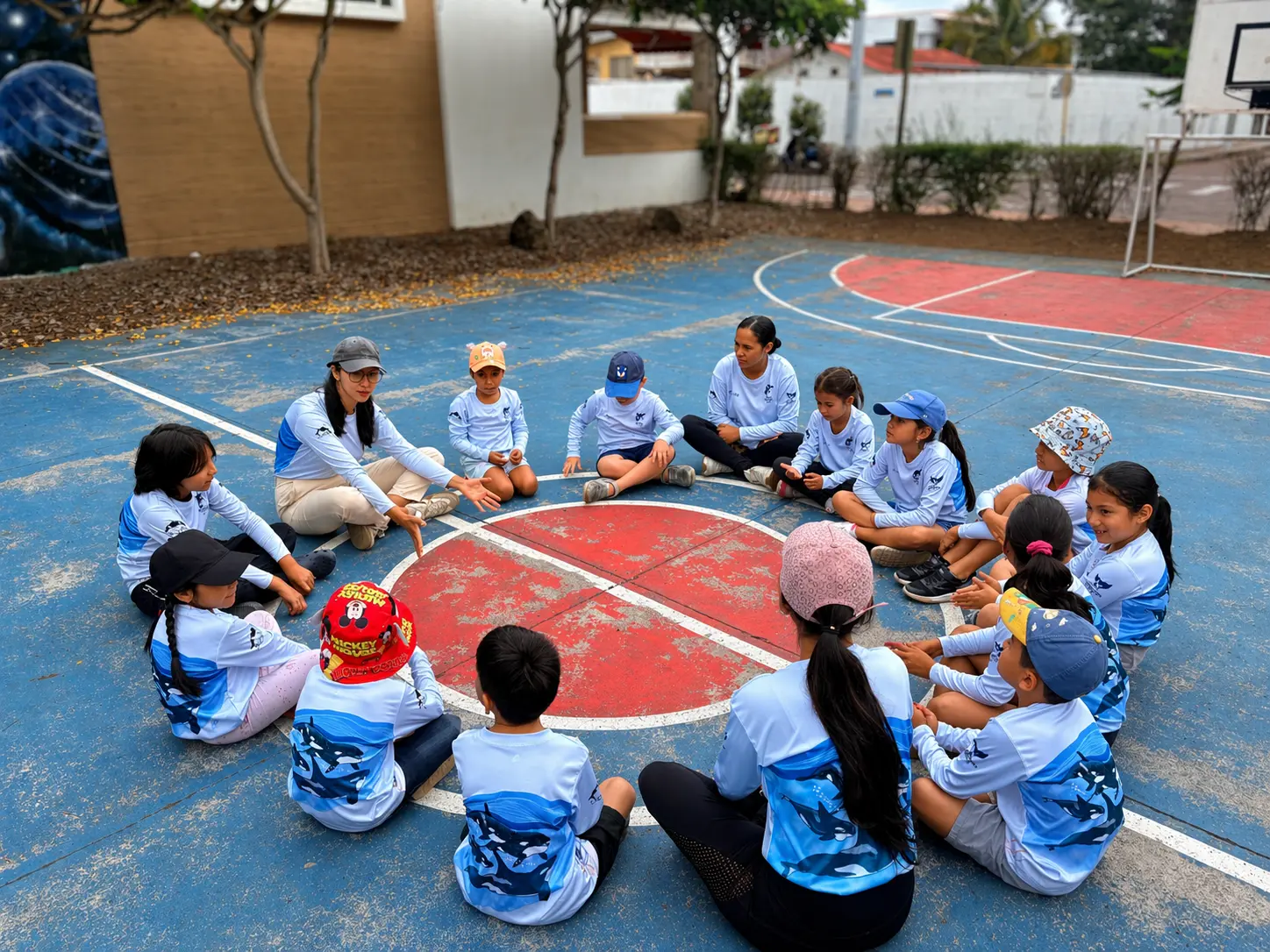
- More than 7,000 students take part in environmental education programs focused on conservation and sustainability.
Where Conservation Begins
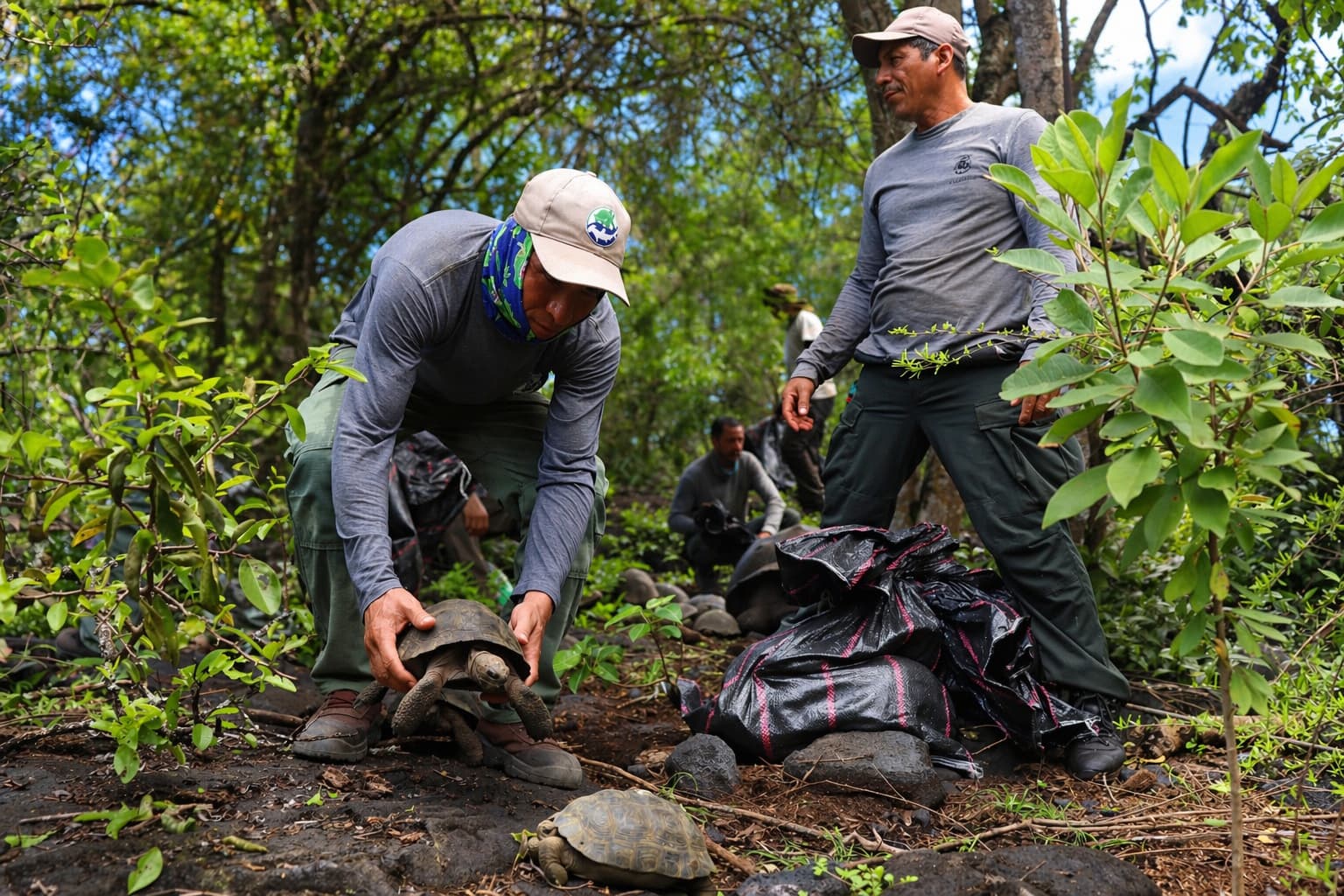
Just after sunrise in the Galápagos highlands, a thin layer of garúa drifts across the slopes. The air is cool and damp, and boots slide slightly on wet volcanic basalt as a park ranger moves slowly through the mist.
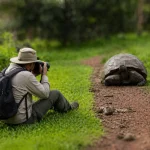
Only days earlier, dozens of juvenile giant tortoises had been released into the wild—animals born in captivity, now beginning life in their ancestral landscape. Somewhere ahead, one of them moves through the tall grass, its shell brushing softly against rock. The ranger pauses, watches, and writes a few notes in a worn field notebook before continuing along the trail.
Scenes like this unfold quietly across the Galápagos every day. While the world sees extraordinary wildlife, what sustains it is less visible: a human network working across land and sea to protect a place where balance is fragile and never guaranteed.
Guardians of Land and Sea
Protecting Galápagos is not the work of a single institution. It is a human network—complex, demanding, and sustained by people whose daily efforts rarely attract attention beyond the islands.
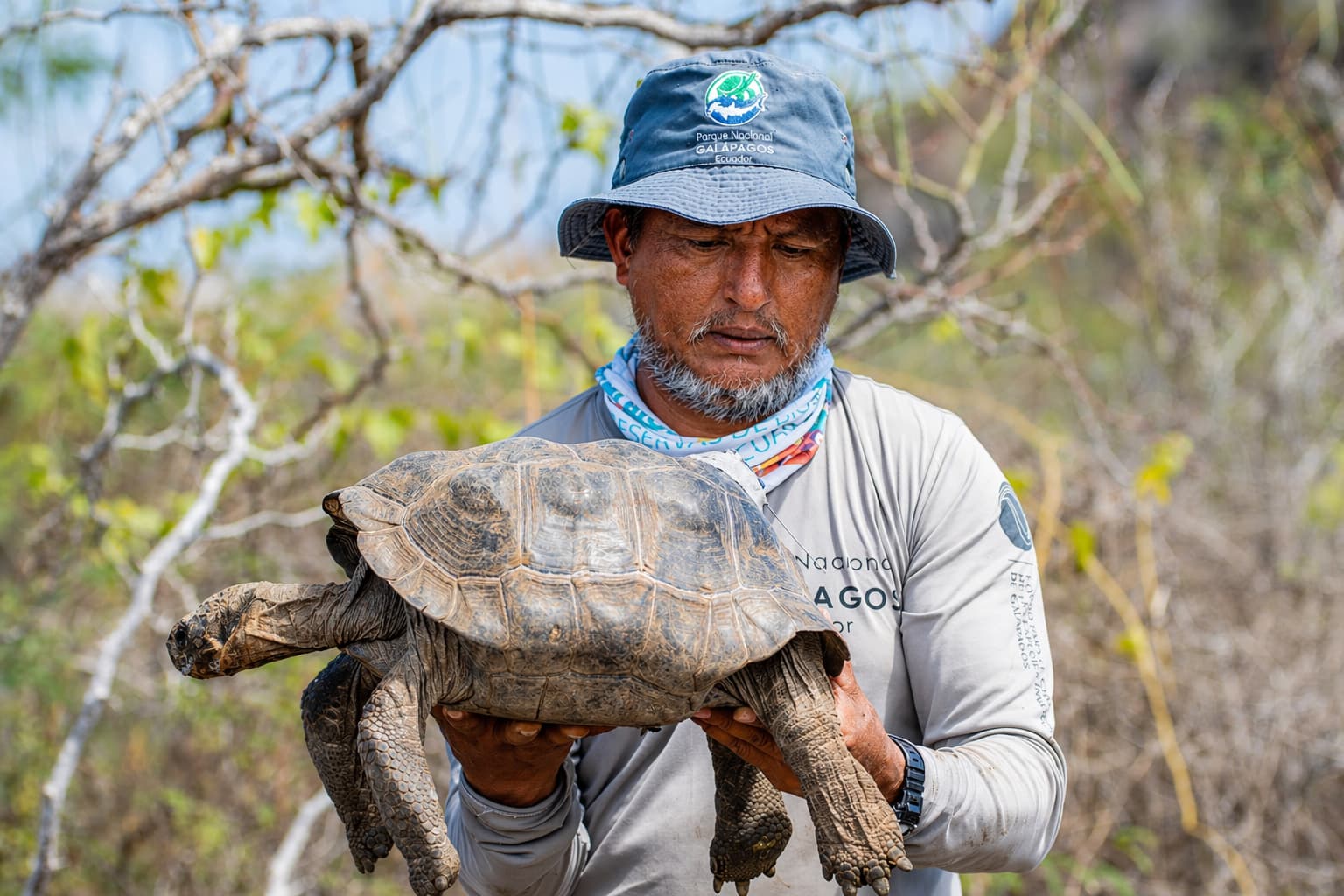
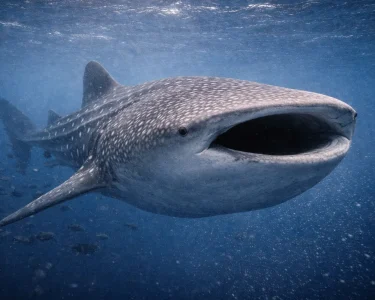
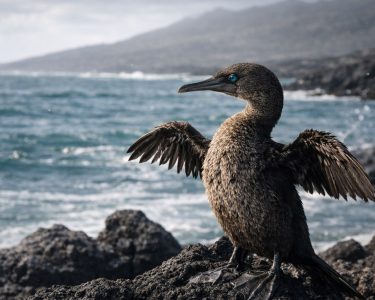
The Galápagos National Park protects most of the archipelago’s land, while the Galápagos Marine Reserve and the Hermandad Marine Reserve extend that protection across a vast ocean corridor. But maps and boundaries are only part of the story. In practice, conservation happens in the field—through rangers patrolling nesting areas, scientists working in remote camps, and teams monitoring species found nowhere else on Earth.
It also depends on coordination. Local communities, research institutions, conservation organizations, and international partners all help hold that effort together. In Galápagos, science is not separate from action. It helps guide it.
The Rhythm of the Ocean
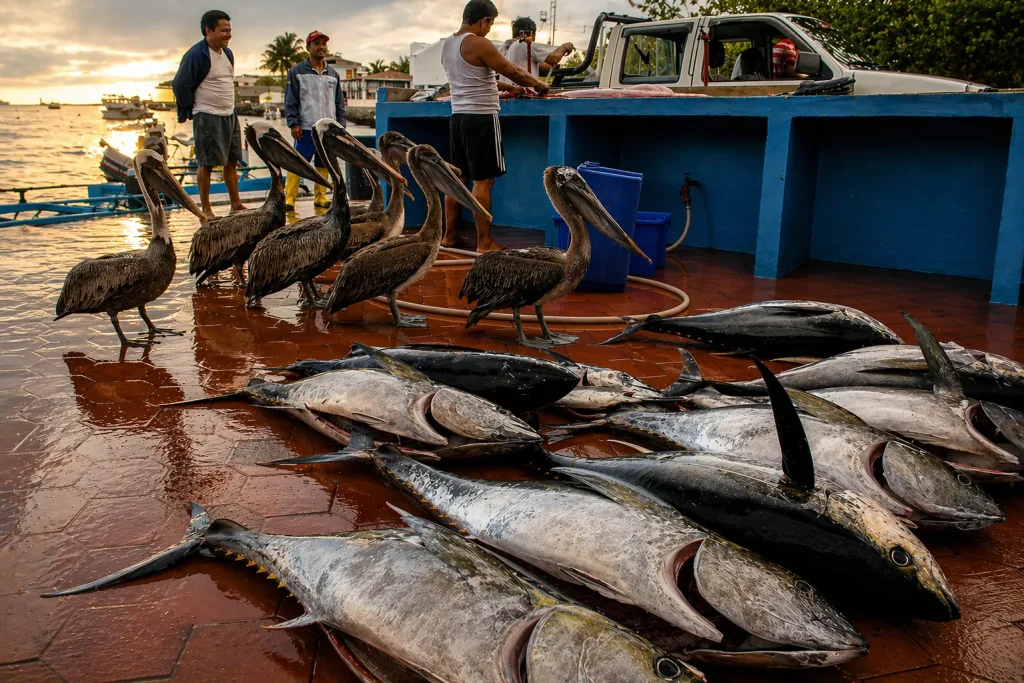
Long before the first tourist boats leave the docks, activity has already begun in the ports of Puerto Ayora, Puerto Baquerizo Moreno, and Puerto Villamil. Artisanal fishers prepare their boats under low light, checking gear and pouring coffee from metal thermoses. Many come from families that have worked these waters for generations.
Fishing here is more than an economic activity. It is part of the identity of the islands. Today, that role is also changing. Many fishers now collaborate with scientists, contribute to monitoring programs, and take part in efforts to improve sustainability within the Galápagos Marine Reserve.
That collaboration is not always simple. It can mean adjusting long-held routines, sharing hard-earned knowledge, and trusting that conservation decisions will also respect the realities of island life. Their understanding of currents, seasons, and species behavior adds something science alone cannot provide. In Galápagos, knowing the ocean is not only about data. It is also about lived experience.
A Generation Growing Up with Nature
In Galápagos, wildlife is not something distant. It is part of daily life. Sea lions rest along the docks. Frigatebirds circle overhead. Giant tortoises move slowly through highland pastures.
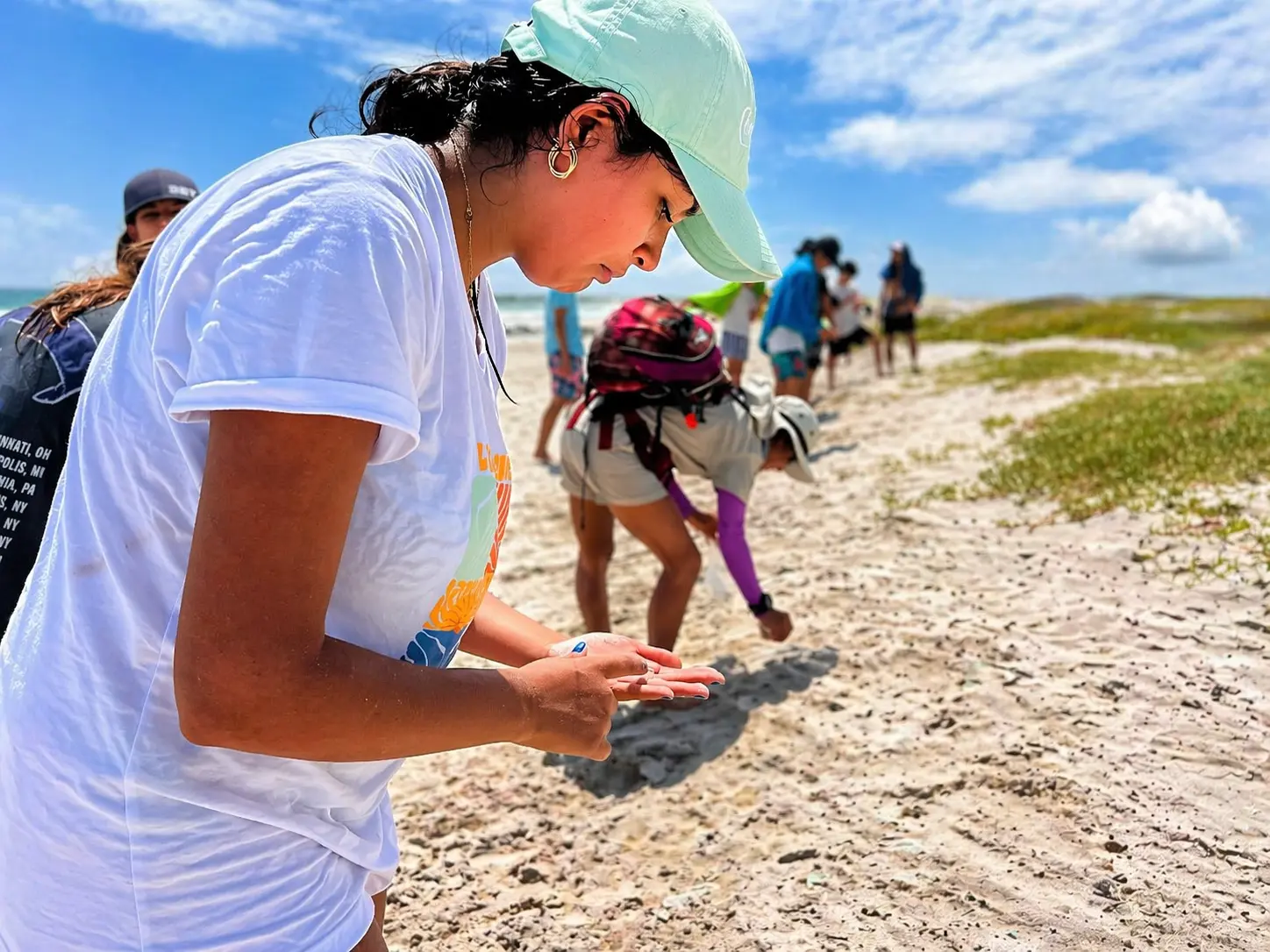
More than 7,000 students across the islands take part in environmental education programs designed to connect them directly with these ecosystems. They learn not only in classrooms, but through field activities such as coastal cleanups, wildlife monitoring, and conservation projects that make the link between knowledge and responsibility visible.
For them, the sound of the ocean and the silhouette of a frigatebird are not tourist attractions. They are part of the background of everyday life. For this generation, conservation is not an abstract idea. It is something they grow up practicing.
A Fragile Balance
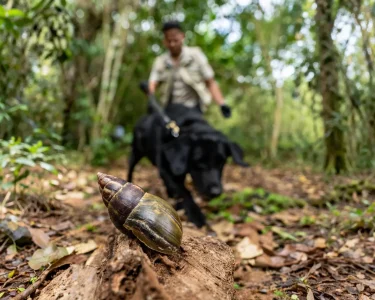
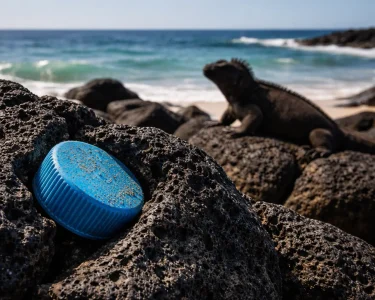
Despite its global reputation, Galápagos is not untouched. Invasive species continue to affect native ecosystems. Plastic pollution reaches even remote shorelines. Changes in ocean conditions influence the availability of marine life. The balance that defines the islands is constantly under pressure.
Maintaining it requires persistence. For those who live and work here, conservation is not something that happens occasionally. It is part of daily life.
Living with Giants
Back in the highlands, the mist begins to lift. The tortoise Morales had been observing disappears slowly into dense vegetation. Moments like this are not confined to protected areas. Along the road between Puerto Ayora and Canal Itabaca, drivers often stop and wait as a giant tortoise crosses slowly from one side to the other. Engines go quiet. No one rushes. Life adjusts.
That is part of what makes Galápagos different. Here, people do not live apart from nature. They live within it.
Morales closes his notebook and continues along the trail. His work rarely appears in headlines, yet it forms part of the quiet, continuous effort that keeps the islands intact. Galápagos endures not by chance, but because, every single day, someone chooses to watch, to walk, and to protect.

Lorem ipsum dolor sit amet, consectetur adipiscing elit. Fusce vitae tortor varius, blandit turpis nec, condimentum ipsum. Maecenas augue augue, maximus sed gravida a, consequat sed lectus. Suspendisse ac finibus metus. Nulla id ante dolor. Sed vel ante at nisi tincidunt hendrerit ut nec ipsum. Phasellus magna nisi, porta at ante sit amet, facilisis aliquet nibh. Sed in dolor bibendum, eleifend tortor convallis, congue justo. Vestibulum eros est, rhoncus non purus eget, vehicula rutrum elit. Mauris a nunc eros. Nullam aliquam velit tempus imperdiet pulvinar. Proin viverra justo ac lorem venenatis faucibus.
Etiam non vehicula ipsum. Pellentesque pharetra, enim quis bibendum cursus, odio nulla accumsan ante, at efficitur tortor mauris sed metus. Morbi ultricies pharetra est eget vulputate. Suspendisse potenti. Ut posuere ligula ipsum, vitae tempor mauris lobortis et. Mauris auctor